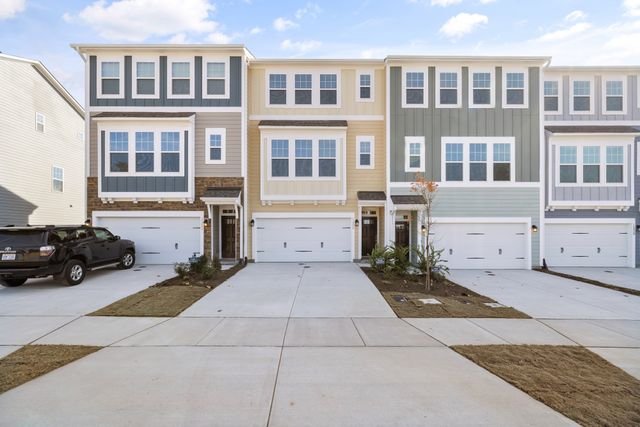
adelaide concrete driveways planning a new concrete driveway in South Australia involves more than selecting a colour, finish and contractor. If the driveway connects your property to the public road, you may need a driveway crossover permit or council authorisation before construction begins.
The rules can vary between Adelaide councils and regional South Australian councils. They may also depend on whether you are building a new crossover, widening an existing entrance, changing the kerb, removing a street tree or carrying out work near public infrastructure.
Understanding concrete driveway permits in South Australia before work starts can help you avoid delays, unexpected application requirements and costly changes. This guide explains when approval may be needed, what councils assess, how the process generally works and what to discuss with your concreter.
Do You Need a Permit for a Concrete Driveway in South Australia?
The answer depends on which part of the driveway you are constructing.
A driveway usually has two sections:
- The private driveway, located inside your property boundary.
- The driveway crossover, which connects your property to the public road and usually crosses the footpath, verge and kerb area.
Constructing or resurfacing the private driveway may not require the same approval as altering the public road reserve. However, a new or modified crossover generally requires council authorisation.
Under Section 221 of the South Australian Local Government Act 1999, altering a public road to provide or facilitate vehicle access generally requires council authorisation unless another statutory approval applies.
For example, council approval may be needed if you plan to:
- Build a new driveway crossover
- Widen an existing crossover
- Move the driveway entrance
- Add a second vehicle entrance
- Modify the kerb or kerb layback
- Remove or alter part of a footpath
- Change the verge to allow vehicle access
- Install a stormwater connection across council land
- Remove a street tree in the proposed driveway path
The City of West Torrens confirms that approval is needed for a new driveway or crossover from the property boundary to the road kerb. Other councils, including Marion, Onkaparinga and Port Adelaide Enfield, also have processes for approving driveway access works.
Why Is Council Approval Required?
A driveway crossover affects public infrastructure and people outside your property. Council approval is designed to make sure the entrance is safe, suitable and compatible with the surrounding street.
Pedestrian access
The crossover must connect with the footpath without creating a dangerous step, sharp edge or uneven surface. Pedestrians should be able to continue along the footpath safely.
This is especially relevant on streets with high pedestrian activity, schools, bus stops or shared paths.
Road and kerb protection
The kerb, gutter, footpath and verge may form part of the council’s public infrastructure. Cutting, removing or changing these elements without approval can damage drainage systems or weaken the road edge.
Council may require specific construction details for the kerb transition, driveway invert and crossover surface.
Drainage
A poorly designed driveway can interfere with stormwater flow. The finished driveway must usually connect with existing levels and avoid directing water into a neighbouring property or across the footpath.
Some properties may also require separate approval for stormwater pipes or drainage connections across the verge.
Street trees and landscaping
South Australian councils often protect street trees because they contribute to streetscape character, shade and environmental value.
If a tree is located near the proposed crossover, council may require the design to be adjusted. Removing or relocating a council-owned street tree generally requires separate approval, and associated costs may be the responsibility of the applicant.
Parking and roadside safety
A wider crossover can reduce available street parking. Its location may also affect visibility, intersections, traffic islands, signs, Stobie poles, service pits and neighbouring driveways.
Council will consider these factors before authorising the work.
What Types of Concrete Driveway Work May Need Approval?
Not every driveway project has the same approval requirements.
New driveway crossover
A completely new vehicle entrance from the road to a property will commonly require an application or permit. This is particularly likely where the kerb, footpath or verge needs to be altered.
Widening an existing crossover
Even if a crossover already exists, widening it can affect street parking, trees, drainage and pedestrian access. Do not assume that an existing approval automatically covers a larger entrance.
Relocating the driveway entrance
Moving the crossover to another section of the frontage may require a new assessment. The new location may be closer to a tree, intersection, service pit or neighbouring driveway.
Replacing the private concrete driveway
Replacing cracked or worn concrete inside the property may be treated differently from replacing the crossover. If the work remains within private land and does not affect council infrastructure, the approval requirements may be more limited.
However, if the contractor needs to remove or rebuild the kerb, footpath or verge, contact council before starting.
Driveway work connected with new development
A new home, subdivision, townhouse development or major renovation may require planning or development approval. In some situations, driveway crossover requirements may be assessed as part of that approval.
This does not mean every crossover-related activity is automatically covered. Confirm with the relevant council or planning authority whether a separate road or public-land authorisation is still needed.
What Information May Be Required for a Permit?
Each council has its own application process, but you may be asked to provide some of the following information:
- Property address
- Owner or applicant details
- Contractor details
- Site plan
- Proposed crossover location
- Crossover width
- Existing and proposed driveway layout
- Footpath and kerb details
- Nearby trees
- Roadside infrastructure
- Drainage or stormwater information
- Construction materials
- Proposed work dates
- Traffic or pedestrian management arrangements
Some councils provide standard drawings for concrete crossovers, kerb laybacks, footpath transitions and crossover sections.
For example, Port Adelaide Enfield publishes engineering standards covering residential and industrial crossover inverts, concrete layouts, block-paved layouts, sections and dimensions.
Providing accurate information at the application stage can reduce the chance of having to redesign the driveway later.
How the Concrete Driveway Permit Process Works
1. Identify the responsible council
The correct council is the one responsible for the road reserve outside your property. This may not always be obvious, particularly near council boundaries or on roads managed by another authority.
2. Check the driveway crossover requirements
Visit the council’s website and search for terms such as:
- Driveway crossover permit
- Vehicular crossing application
- Driveway access approval
- Road works permit
- Alteration to public road
- Footpath and crossover permit
Review the current application form, fees, technical drawings and construction conditions.
3. Confirm the proposed location
Before ordering concrete, check whether the entrance is affected by:
- Street trees
- Stobie poles
- Utility pits
- Stormwater drains
- Intersections
- Bus stops
- Existing footpaths
- Neighbouring driveways
- On-street parking restrictions
4. Submit the application
Submit the required form, plans and supporting information. Some councils allow online applications, while others may require documents to be submitted through a customer service or development department.
5. Wait for approval
Do not begin work on the public road, kerb, footpath or verge until the relevant approval has been issued.
The assessment period varies. Some councils publish indicative processing times, while others assess applications according to the complexity of the proposal and whether additional referrals are required.
6. Arrange construction
Use a concreter who understands council crossover requirements. The contractor should work to the approved design and follow any conditions relating to levels, materials, pedestrian access and reinstatement.
Do Main Roads and Regional Areas Have Different Requirements?
Yes. A driveway crossover on a local residential street may be assessed differently from one located on an arterial or major road.
Where a crossover affects an arterial road, additional state road authority involvement may be required. Port Adelaide Enfield’s crossover specification, for example, identifies circumstances where proposed access changes may require referral and written approval from the Commissioner of Highways.
Regional councils may also use different application names and technical standards. Whyalla City Council, for example, requires approval for work outside the property boundary that affects council land or infrastructure.
The safest approach is to check the exact property location rather than relying on a general rule for all of South Australia.
Concrete Crossover Design Considerations
Crossover width
The appropriate width depends on the property, vehicle access needs, council requirements and surrounding street conditions.
A wider entrance may be useful for multiple vehicles, but it can reduce kerbside parking and may not be approved where the frontage is narrow.
Surface finish
Concrete crossovers may need to have a suitable non-slip or broomed finish. Decorative finishes may be permitted in some locations, but the crossover must still meet council specifications.
Levels and gradients
The crossover must connect the road, footpath and private driveway safely. Councils may specify maximum gradients, crossfalls or level relationships.
Marion Council, for example, publishes technical conditions relating to crossover grades, footpath crossfall, concrete strength and separation from street trees and infrastructure.
Private driveway connection
The private driveway should be designed at the same time as the crossover. If the garage slab, driveway surface and crossover levels do not align, vehicles may scrape underneath or water may collect near the entrance.
Common Mistakes to Avoid
Starting work before receiving approval
Unauthorised work may result in penalties, legal issues or a requirement to repair public infrastructure.
Assuming the concreter handles everything
Some contractors apply for permits, while others expect the property owner to do it. Confirm who is responsible for applications, fees, drawings and inspections.
Treating the whole driveway as private
The crossover, kerb, footpath and verge may be public assets even when they provide access to your property.
Ignoring street trees
A tree near the proposed driveway can affect the location and approval. Check this before finalising the design.
Failing to check drainage
Changing levels or blocking a drainage path can create water problems. Ask the contractor how the new driveway will connect with existing stormwater levels.
Using a generic design
A crossover design approved in one council area may not automatically meet another council’s requirements. Always use the specifications applicable to your property.
Frequently Asked Questions
Do I need a permit to pour concrete inside my property?
Not necessarily. If the work is entirely within your private property and does not affect the road reserve, a driveway crossover permit may not be required. Confirm whether planning, building or drainage approvals apply to your specific project.
Is a permit required to widen a concrete driveway?
A permit or council approval is commonly required if widening involves the crossover, kerb, footpath or verge. Council will assess the proposed width and location.
Who pays for the driveway crossover?
The property owner or applicant is generally responsible for the cost of constructing and maintaining the crossover, including associated approval and contractor costs.
Can I use exposed aggregate concrete for a crossover?
This depends on the relevant council’s specifications. Some councils may accept decorative concrete if it meets surface, strength, safety and construction requirements. Confirm before selecting the finish.
Does a new house approval cover the crossover?
Sometimes crossover work may be considered as part of a development approval. However, separate council authorisation may still be required for work on public land. Ask the relevant council for written confirmation.
How long does a driveway permit take?
Processing times vary between councils and projects. Applications involving trees, arterial roads, drainage or public infrastructure may require additional assessment and take longer.
Final Thoughts
Concrete driveway permits in South Australia are mainly concerned with the part of the driveway that connects your property to the public road. A private driveway replacement may have different requirements from a new crossover, kerb alteration or footpath modification.
Before construction begins, identify the responsible council, check the current crossover specifications and confirm whether a permit or development approval is required. Discuss the design with a contractor who understands local requirements and can coordinate the private driveway with the public crossover.
Planning these details early can help prevent delays, redesigns and unexpected costs. If you are considering a new concrete driveway or crossover, arrange a site assessment and request a quote that clearly explains the private driveway work, council approval requirements and any additional public-area construction.